
Window Types
Windows vary by frame material and glass type, both of which affect energy efficiency, comfort, and moisture performance in a home. Older window types are often less efficient and may allow more heat loss and air leakage
Wooden
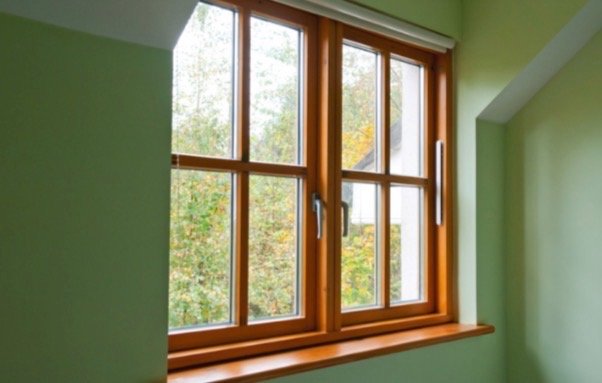
Wood-framed windows are commonly found in older homes, especially if they are original to the house. These windows are often single-pane, meaning they have only one layer of glass, which provides limited insulation compared to modern windows.
Wood windows can be durable when properly maintained but may be prone to moisture issues, rot, or air leakage over time if not sealed or maintained regularly.
Aluminum
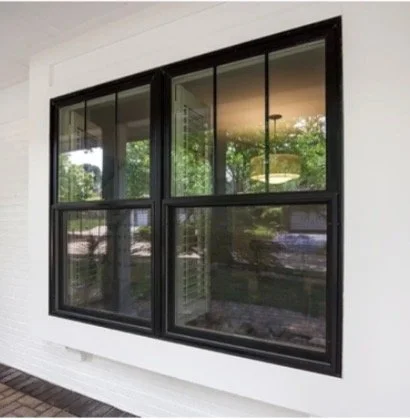
Aluminum-framed windows are also commonly found in older homes. Many aluminum windows are single-pane and conduct heat easily, which can lead to energy loss and colder interior surfaces during winter.
Because aluminum transfers temperature quickly, condensation and moisture can form around the frame, which may contribute to comfort and moisture concerns.
Vinyl
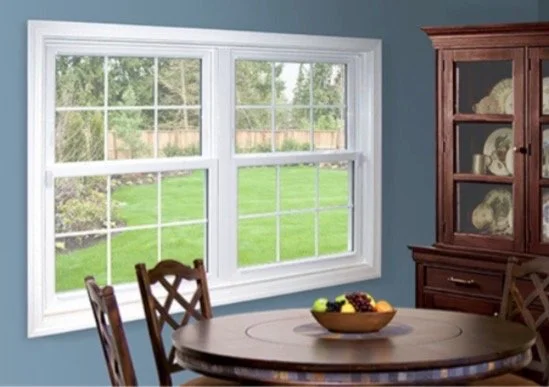
Vinyl windows are more commonly found in newer homes or in homes where windows have been upgraded. They typically include double-pane glass, which improves insulation and reduces heat loss.
Vinyl frames do not conduct heat as easily as aluminum and generally require less maintenance than wood windows. Due to their improved energy performance and durability, vinyl windows are often considered a good energy-efficient option for residential homes.