
Insulation Types & Quality: Good Insulation vs. Bad Insulation
EXAMPLES OF GOOD INSULATION
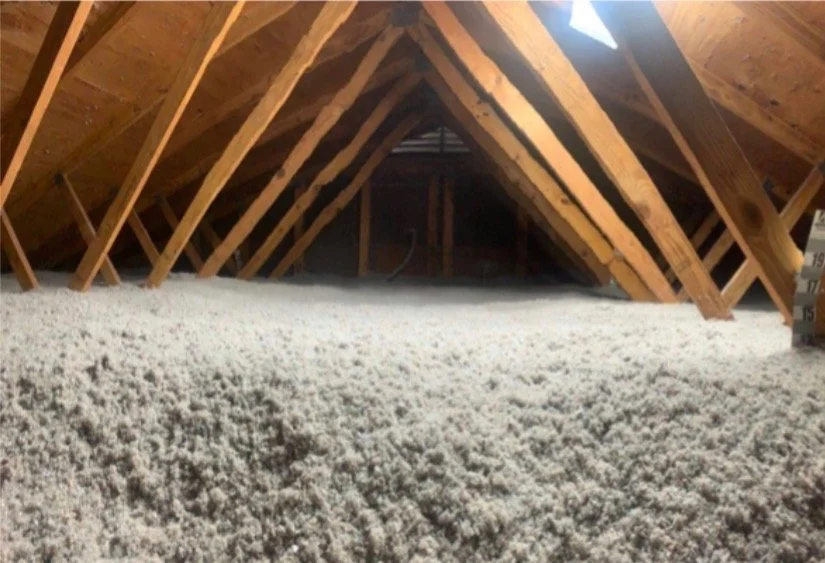
Cellulose (Blown-In) Insulation
This is cellulose insulation, also known as blown-in insulation. It is one of the most common insulation types found in homes, especially in attics. When properly installed, it fills cavities evenly and helps reduce heat loss, improve comfort, and increase overall energy efficiency.
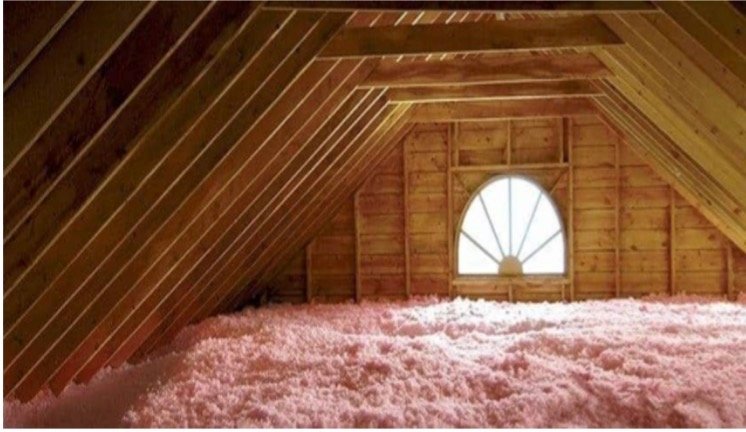
Fiberglass Loose-Fill Insulation
This is fiberglass loose-fill insulation. It is less common than cellulose but serves a similar purpose. Fiberglass loose-fill is typically found in attics. In walls, fiberglass is more commonly installed in batt form. (Fiberglass insulation can appear pink or yellow.)
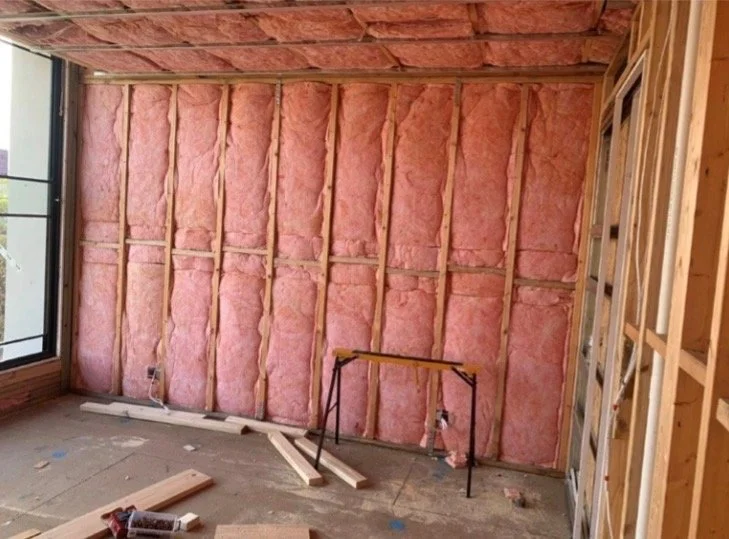
Fiberglass Batt Insulation
These are fiberglass batts. This type of insulation is commonly found in interior walls, knee walls, attic ceilings, basement walls, basement ceilings, and crawl spaces. When installed correctly, batts help slow heat transfer and improve indoor comfort.
EXAMPLES OF POOR / INADEQUATE INSULATION
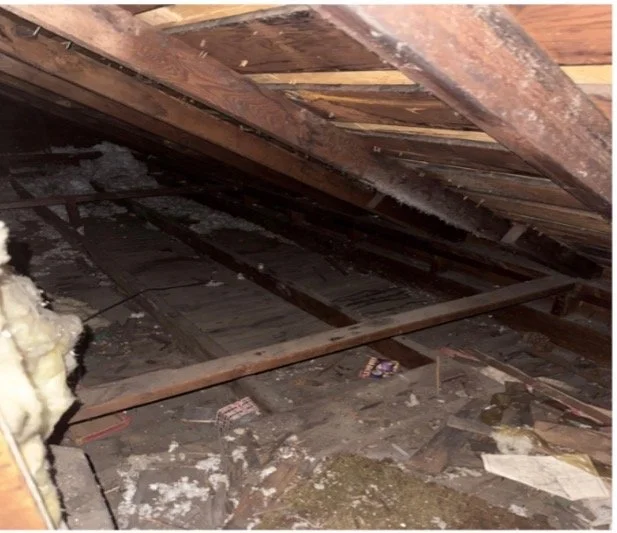
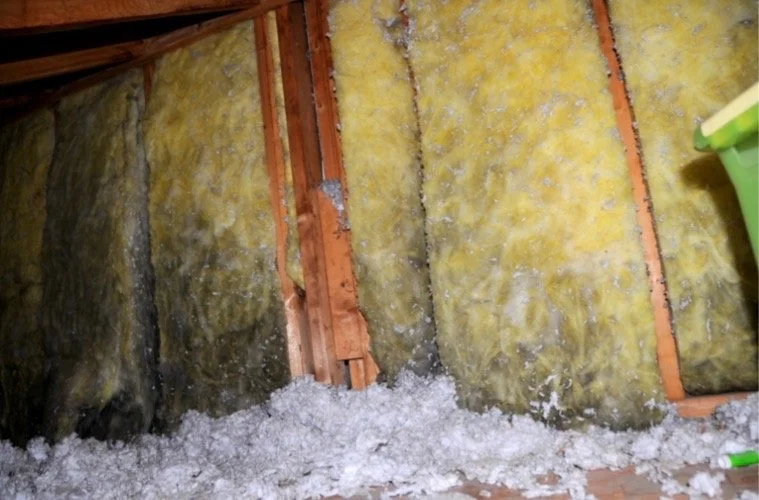
Old or Degraded Fiberglass Insulation
This is an example of old fiberglass insulation. When insulation appears dirty, compacted, or no longer fills the cavity, it is no longer performing effectively. In these cases, new or additional insulation is typically recommended.
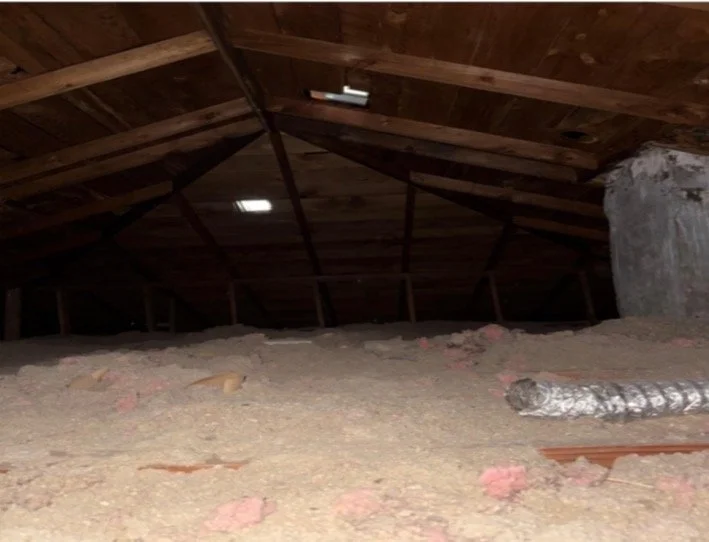
Little to No Attic Insulation
This attic has little to no insulation. Without adequate insulation, air can easily seep in and out of the home, leading to higher energy costs, uncomfortable indoor temperatures, and increased strain on heating and cooling systems.
Poor Wall Insulation
This is an example of poorly performing wall insulation. Visible discoloration, gaps, or insulation falling out of the wall cavity indicates reduced effectiveness and potential air leakage. These conditions can significantly impact comfort and energy efficiency.
Understanding R-Value
What Is R-Value?
R-value measures how well insulation resists heat flow. The higher the R-value, the better the insulation performs at keeping heat inside during the winter and outside during the summer. The thickness and type of insulation both affect R-value.
Attic R-Value
If an attic has less than R-18 (approximately 5–6 inches of insulation), additional or new insulation is recommended. The ideal attic insulation level is R-31 or higher for improved energy efficiency and comfort.
Floor R-Value
If floor insulation is less than R-11 (approximately 3–4 inches), additional or new insulation is recommended. The ideal floor insulation level is R-30 or higher, especially over unconditioned spaces.