
Furnace and Heat Pump Types
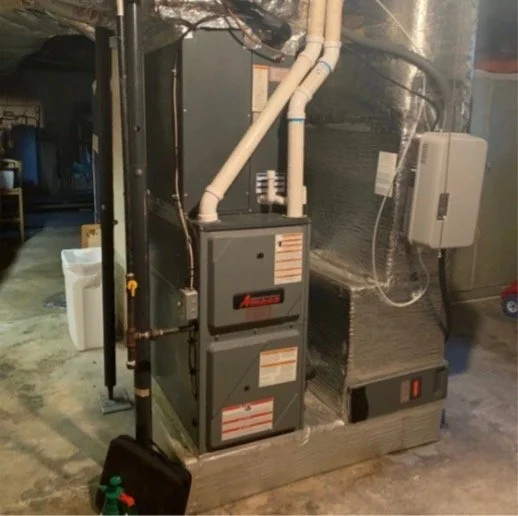
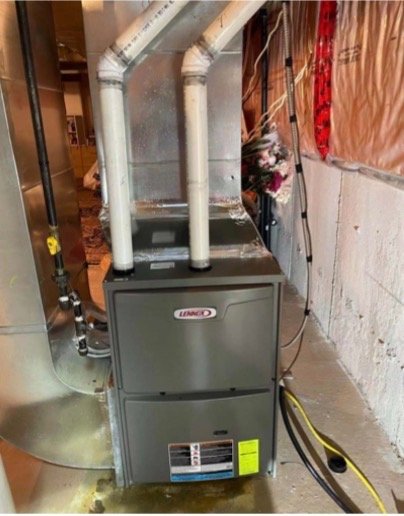
90%+ Efficient Gas Furnace
A 90% or higher efficiency (high-efficiency) gas furnace converts at least 90% of its fuel into heat, reducing energy waste and lowering operating costs. These furnaces are typically identified by white PVC vent pipes, which indicate sealed combustion and higher efficiency operation.
High-efficiency furnaces use secondary heat exchangers to capture additional heat before exhaust gases leave the home. They are ideal for colder climates and homeowners seeking long-term energy savings, although installation costs may be higher due to venting requirements.
Gas furnaces heat air by burning natural gas or propane and distributing warm air through ductwork. Furnace efficiency is measured by AFUE (Annual Fuel Utilization Efficiency), which indicates how much of the fuel is converted into usable heat.
80% Efficient Gas Furnace
An 80% efficient gas furnace converts approximately 80% of the fuel it uses into heat, while the remaining 20% is lost through exhaust gases. These furnaces can typically be identified by a metal exhaust vent connected to a chimney or metal flue.
80% furnaces are commonly found in older homes and are often a lower-cost replacement option when upgrading an existing system. They are reliable and simpler to install but are less energy efficient than newer high-efficiency models. They may be suitable for milder climates or budget-conscious installations.
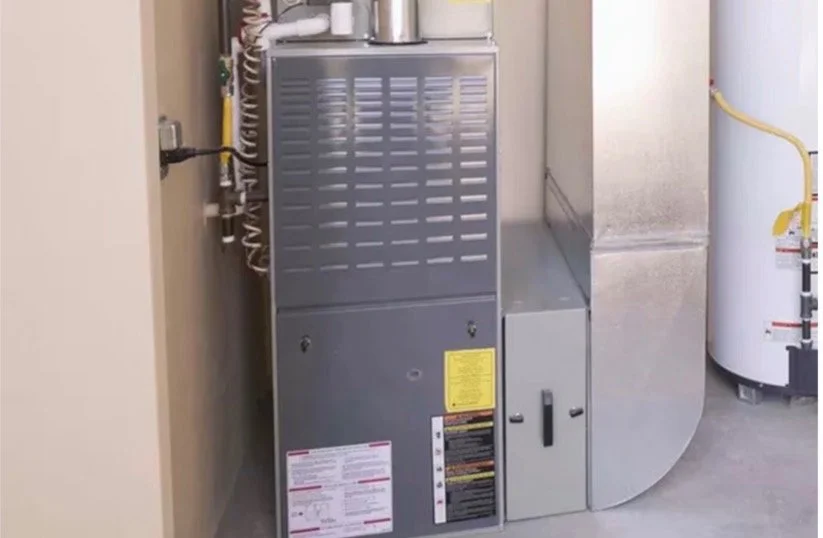
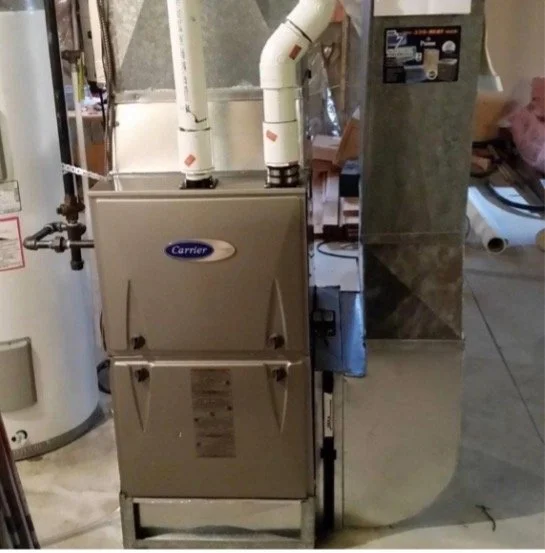
Electric Furnaces
An electric furnace generates heat using electric heating elements (heat strips) and distributes warm air through a blower and duct system. Electric furnaces are generally less expensive to install because they do not require gas lines or venting.
While electric furnaces are efficient at converting electricity into heat, they often have higher operating costs compared to gas systems depending on local electricity rates. They are commonly used in homes without access to natural gas.
Cheaper-to-install alternative to gas furnaces. They do not require chimneys, making installation versatile. However, they often have higher operating costs.
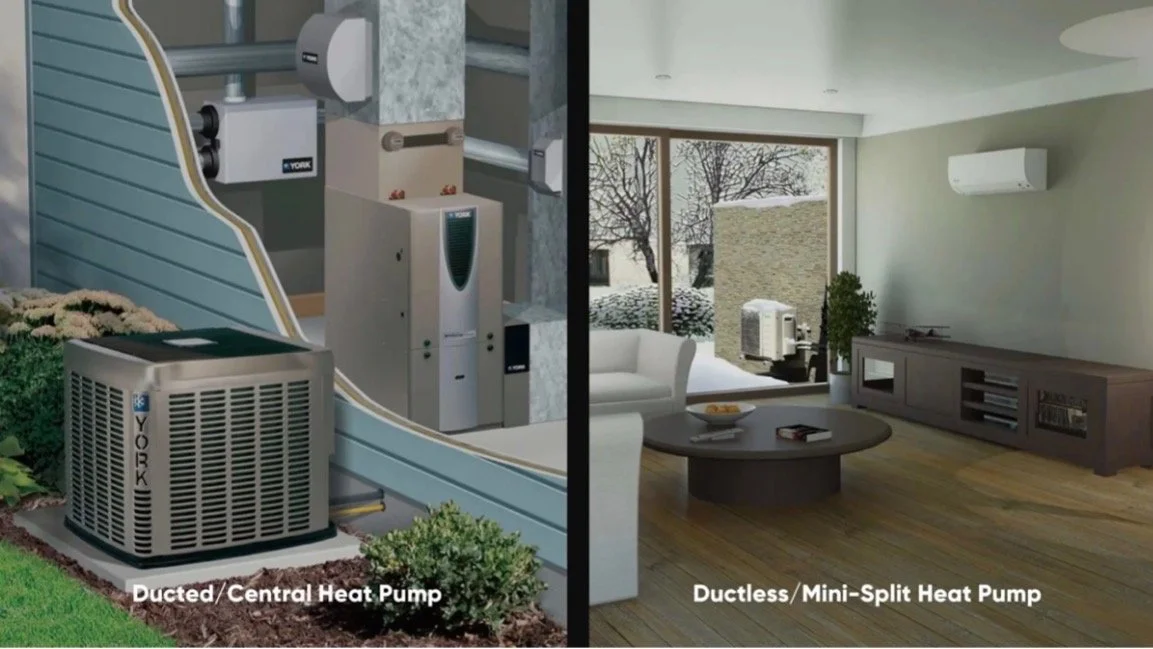
Heat Pump (Ducted or Indoor Heat Pump Systems)
A heat pump is an all-electric HVAC system that moves heat instead of generating it, working like a refrigerator in reverse to provide both heating and cooling by extracting heat from outside to warm your home in winter and moving heat from inside to outside in summer, offering significant energy efficiency but with higher upfront costs than traditional systems.
Indoor heat pump units provide year-round heating and cooling by transferring heat, rather than generating it, using electricity. Common types include wall-mounted, floor-mounted, ceiling-cassette, and window-mounted units, offering versatile, energy-efficient solutions for ductless or ducted systems. They improve comfort, control humidity, and often require professional installation on exterior walls for optimal drainage.